How to Collect Water from Air
Drought, a shutoff, or an off-grid stretch can leave a house with taps that do not deliver. Air holds moisture. You can pull some of it out by cooling a surface until vapor condenses — the same idea as dew on a cold glass. This page teaches that process in plain English, what you can try with household gear first, and when a written DIY plan for an atmospheric water generator build is worth comparing to a store-bought machine. Output depends on humidity and temperature. Dry air gives little water. Whatever you collect must be filtered or treated before you drink it.
How condensation and AWG work
Warm air holds more water vapor than cool air. When you chill a surface below the dew point, vapor becomes liquid drops. An atmospheric water generator (AWG) speeds that up: it moves air across a cold coil or plate, catches the drips, and usually runs the water through filters. A dehumidifier does the cooling half of that job. An AWG-style build adds food-safe collection and treatment so the water is meant for drinking, not for dumping down a drain.
Humidity is the limit. In muggy coastal or southeastern air, a small condenser can collect a useful backup amount. In arid or desert air, the same box may produce almost nothing while still using power. There is no honest version of “unlimited water from thin air” that ignores relative humidity. Treat any big daily-gallon claim as marketing until you check your local climate.
What you can do with household gear first
Start cheap and small before you buy a guide or a commercial unit.
Dew and plastic. A clean tarp or sheet angled overnight can gather dew in the right conditions. Yield is often a cup to a few liters at best, not a household supply. It teaches the physics. It does not replace a tap.
Dehumidifier drain. If you already run a dehumidifier in a damp room, that condensate is real water. It is not automatically safe to drink. Coils, trays, and dust can contaminate it. If you experiment, use food-grade tubing and containers, clean everything, and treat the water the same way you would treat other non-potable sources. Power and humidity still set the ceiling.
Simple condensation. A metal bowl nested in ice over a larger bowl is a science-fair demo. Fine for learning. Not a drought plan.
Passive fog or dew panels need the right site — foggy coasts, clear cold nights — and still need clean collection and treatment. They are not a desert-proof appliance.
DIY written plan vs a commercial AWG
A commercial home AWG is hardware: you pay thousands in many cases, plug it in (or wire solar), and get a rated output that still falls when humidity drops. You are buying a finished appliance with filters and a warranty path.
A DIY path is different. You buy a digital guide, source parts yourself — often a condenser or Peltier setup, fans, food-grade tank, sediment and carbon filtration, and usually UV or another disinfection step — then build and maintain it. Parts and time cost extra. Active builds usually need electricity unless the plan is strictly passive dew or fog collection. Expect modest output in humid weather and poor output in dry weather. The win is lower cash outlay and a backup skill, not a free municipal replacement.
If you want a finished machine this week and your budget stretches to commercial gear, shop hardware with published specs for your climate. If you want a low-cost written blueprint you can judge before spending on parts, that is the guide category below.
A cheap written DIY plan
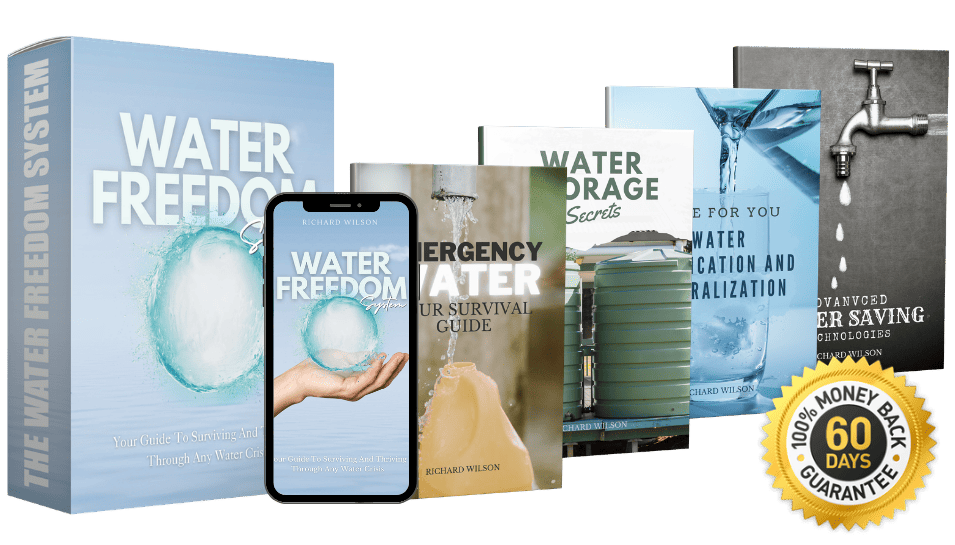
If you do not want to spend thousands on a commercial water-from-air machine this week, here is the low-cost plan people use for a hardware-store build: Water Freedom System. It is a paid digital guide, sold through ClickBank, with DIY instructions and blueprints for building a small atmospheric water generator-style setup. It is a written plan and parts list, not a machine that arrives in a box, and not a promise of unlimited desert water. Use it for the cheap side of the comparison: how to attempt a condensation build when you are not buying commercial AWG hardware this week.
Water Freedom System — DIY water-from-air guide

This page uses an affiliate link. If you buy, we may earn a commission.
Parts, cost, humidity, and treating the water
A typical active DIY stack needs a way to cool air (repurposed dehumidifier core or similar), airflow, a food-grade collection path, and filtration — at least sediment and carbon, plus a disinfection step before drinking. Passive dew or fog builds swap the compressor for mesh or a radiative panel, and still need clean storage and treatment.
Budget in two layers: the digital guide (tens of dollars) and the parts you buy locally. Parts cost extra; it depends on what you already own. Factor electricity if the build is active. Do not count on a fixed “gallons per day” until you measure yield at your humidity and temperature.
Drink only after treatment. Condensate can pick up metals, dust, and microbes from coils and air. Filter and disinfect. If you would not trust the container, do not trust the water.
Who this is not for
Skip the DIY AWG path if you need a plug-and-play appliance with a nameplate rating, if you live in chronically dry air and expect household-scale output, or if you will not filter what you collect. Skip it if you want a product shipped as hardware — a guide is a PDF and a build list. Rain barrels, stored municipal water, and a tested commercial filter on a known source are better first moves for many homes. This page is for people who understand humidity limits and still want a condensation backup plan.
FAQ
Does humidity really limit how much water you get?
Yes. Condensation needs moisture in the air. High relative humidity helps. Dry or desert air often yields very little from a small DIY unit, even if the box runs. Measure your local conditions before you spend on parts.
Can you drink water collected from air?
Not straight from the coil or tarp. Treat it like other non-potable water: clean food-grade gear, then filter and disinfect. Skip drinking if you cannot treat it.
DIY guide vs a store-bought AWG machine?
A store-bought unit is hardware with a price in the thousands for many home models. A DIY guide is a digital plan; you buy parts and build. The guide is cheaper up front. The machine is finished equipment. Neither erases humidity physics.
Does a water-from-air setup need electricity?
Active condenser builds usually do — fans and cooling draw power, on grid or solar with batteries. Passive dew or fog collectors can run without power where the climate supports them, at much lower yield. Check the plan you follow; do not assume zero watts.
What do you actually receive with Water Freedom System?
A digital DIY guide and blueprints sold through ClickBank — instructions and a parts-oriented plan, not a physical generator in a box. You source materials yourself. It is a written build guide, not a shipped appliance.